


Strength and self-sacrifice are often praised as the highest virtues in medicine and caregiving. As healthcare providers and caregivers, we are expected to be support pillars, unflinching in the face of suffering. Yet behind the masks, gowns, and long hours, the quiet truth remains: even heroes hurt. And that’s okay. We share these experiences, and it’s essential to recognize that.
The mind and body can only stretch so far before they start to fray. Emotional exhaustion, compassion fatigue, and mental health struggles are all too familiar companions for those in the healing arts professions. But embracing the truth that “it’s okay not to be okay” isn’t a sign of weakness — it’s a recognition of our humanity and the first step on a path to wellness, resilience, and a deeper connection to the virtues that make us profoundly human.
The Human Cost of Caring
The World Health Organization describes burnout as emotional exhaustion, depersonalization, and reduced personal accomplishment. Doctors, healthcare providers, and caregivers, these symptoms aren’t abstract but daily lived experiences. The toll of attending to suffering, making high-stakes decisions, and showing up daily despite personal challenges cannot be overstated. One of the key aspects of this toll is ‘compassion fatigue’ describes the emotional and physical exhaustion that can result from serving and caring for others experiencing pain and suffering.
“Caregivers are the soul of medicine, and yet often the first to neglect their own soul.” — Dr. Tia Powell, author of “Dementia Reimagined”
In professions where saving lives or easing suffering is the norm, the invisible wounds — the toll on the mind and mental health — often go unnoticed or are dismissed. The culture of “push through” can lead to devastating outcomes, from chronic illness and depression to suicide. But this isn’t individual failure. It’s a failure to honor the human condition.
The Virtues of the Human Condition
To be human is to be vulnerable. We are not machines built for nonstop service — we are feeling, sensing, evolving beings. The very qualities that make one an extraordinary caregiver — empathy, attentiveness, sensitivity — are also the ones that need tending.
True wellness in medicine and caregiving comes not from ignoring pain but from understanding it, embracing it, and learning to work with it rather than against it. When we acknowledge our fragility, we create space for more profound compassion — not just for others but for ourselves.
“Almost everything will work again if you unplug it for a few minutes, including you.” — Anne Lamott
Resilience is not about abstinence from breaking down when life is tough. Resilience is about bouncing back and rising again, softer and wiser when things fall apart. It’s about discovering that rest, nourishment, and asking for help are not luxuries but our lifelines.
It’s Okay Not to Be Okay
Having the courage to admit that “it’s okay not to be okay” is a radical act of honesty in a round-the-clock culture that equates worth with productivity and emotional numbness with professionalism. But accepting this truth is the beginning of healing.
In medicine and caregiving, emotional honesty can feel like a threat to authority or competence. But imagine the impact if more leaders said, “I’m struggling too.” These reality checks would break mental health stigma and create a culture of authenticity and shared humanity.
Not being okay doesn’t mean that we’re broken. Having the courage to admit we’ve hit our limits means we’re alive and impacted by what we witness, give, and carry. Recognizing that is the first step toward building sustainable resilience.
“Self-care is not a luxury, it’s an ethical obligation. If I am to care deeply for others, I must first care for my own mind and spirit.” — Dr. Rachel Naomi Remen
If we are to care deeply for others, we must first care for our own minds and spirits. This fact is not just a statement but our call to action.
Nourishing Micro-Practices When Falling Apart
Even in the busiest, most demanding roles, small, powerful ways exist to help reclaim our center. Here are some wellness practices to gently support the mind, body, and heart — especially when we feel we’re unraveling.
1. 60-Second Breath Check-In
Take one full minute. Inhale slowly for a count of four, hold for four, and exhale for six. Let the nerves settle and reduce anxiety just a notch. This mini reset signals to your nervous system that it’s safe to pause.
Why it works: The breath is a direct line to the parasympathetic nervous system — the “rest and digest” mode that counteracts stress.
2. Name It to Tame It
Labeling our emotions. “I feel overwhelmed.” “I feel scared.” “I feel numb.” Simply by putting words to our experiences activates the brain’s reasoning center and reduces the grip of intense emotions.
Why it works: Emotional labeling lowers amygdala activity and boosts prefrontal regulation — a scientifically supported path to emotional mental health.
3. Touchstone Moments
Carry a small pocket object — a stone, a piece of fabric, a charm. When we’re feeling overwhelmed, touching a special talisman can help by grounding us in the present ‘here and now’ reality.
Why it works: Physical anchors can redirect racing thoughts, focus, and offer sensory comfort, helping regulate the mind when words are too much.
4. Micro-Connection
Exchange a kind word with a colleague. Text a friend. Even 30 seconds of authentic connection can reset our internal weather.
Why it works: We are wired for connection. Simple moments of shared humanity soothe isolation and bolster resilience.
5. Permission Slips
Write yourself a “permission slip.”
“I give myself permission not to be okay today.”
“I give myself permission to rest, to cry, and not to have all the answers.”
Why it works: Language shapes experience. Giving ourselves verbal consent to feel ‘our feels’ can lift the burden of emotional repression.
6. End-of-shift ritual
Practice a ritual transition from work to home. It can be a breath, a poem, a song, or a moment of silence. This slight pause offers us a separation from our caregiving roles, helping us to mentally and emotionally detach from work and transition to off-duty status. This can be beneficial for caregivers who often find it challenging to switch off from their caregiving and service responsibilities back into their bodies and private lives.
Why it works: Rituals help us build mental structure and boundaries, preventing burnout from spilling into every part of life.
Building a Culture of Collective Care
Individual practices are vital, but systemic change is equally important. Healthcare institutions, community organizations, and families must prioritize the wellness of caregivers as a shared responsibility. This is not just a suggestion but a vision for a better future and culture of caregiving, where everyone’s well-being is valued and supported.
Here’s how we can start:
- Normalize mental health support. Make counseling and peer support groups accessible and stigma-free.
- Schedule downtime. Enforce rest breaks, manageable shifts, and mental health days without guilt.
- Train for empathy and self-compassion. Include emotional resilience in professional development.
- Recognize invisible labor. Emotional caregiving and moral distress are real burdens. Acknowledge and honor them.
Healing professions require healing cultures.
Tending to Ourselves Before Mending Others
The paradox of caregiving is that the more we give, the more we need to receive. When we ignore that truth, burnout is inevitable. But when we tend to our humanity — our grief, fatigue, wonder, and needs — we deepen our capacity to serve, not diminish it.
In healthcare, we talk about treating the whole patient. As caregivers, we must learn to treat our entire selves.
Our minds deserve peace. Our hearts deserve care. Our bodies deserve rest. We deserve all the compassion we so freely offer to others.
We are not machines. We are masterpieces.
Let this be our reminder: It’s okay not to be OK. It’s human. And being human is simply enough.
Like what you’re reading? Want more consciously prepared brain food?
Listen to this Harvesting Happiness episode: Medicine of Mind: Advocating Mental Health and Wellness for Caregivers with Dr. Jessi Gold MD or wherever you get your podcasts.
Our Proud Sponsor:
Quince— Offers high-quality essentials, home decor, and furnishings at radically low prices. Visit quince.com/hhtr for free shipping on your order and three hundred and sixty-five-day returns.
Get More Mental Fitness bonus content by Harvesting Happiness on Substack and Medium.
Meet Our Guest:
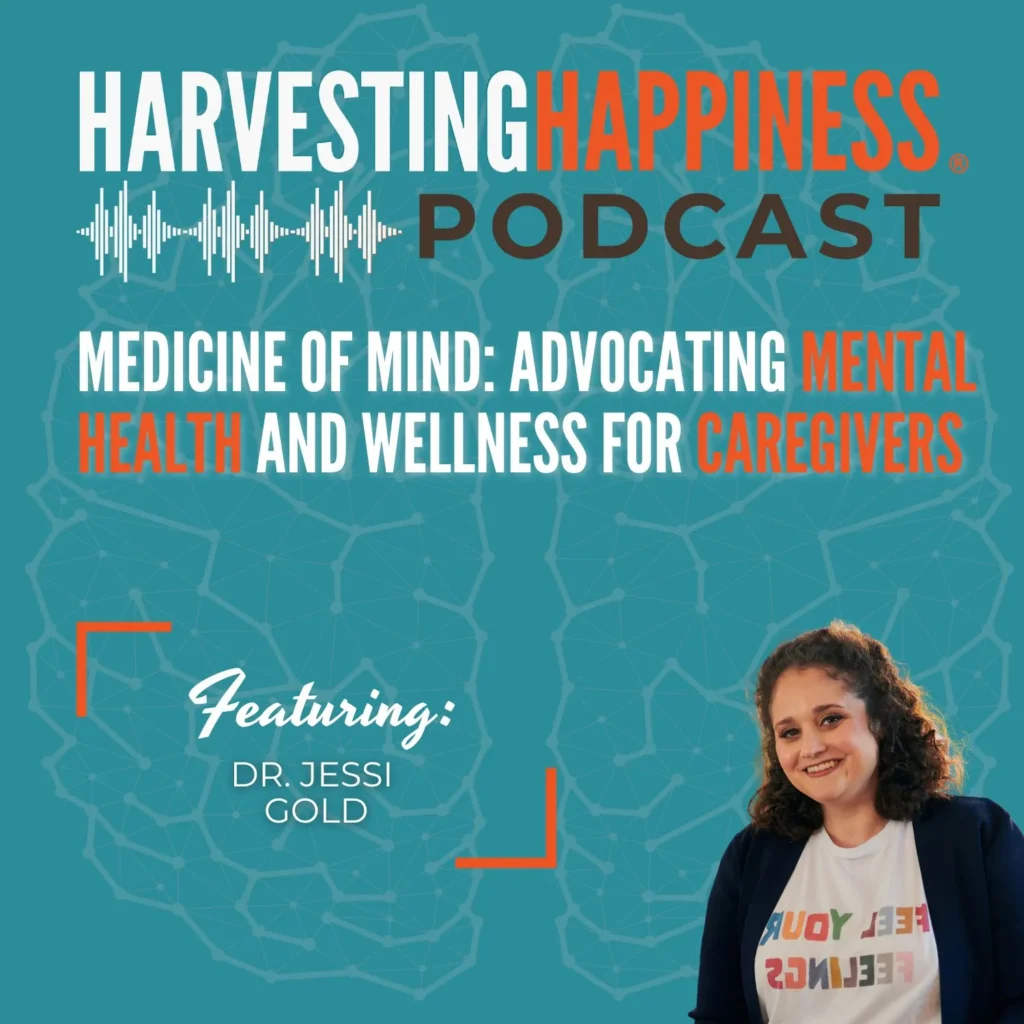
Psychiatrist Jessi Gold, MD, MS, is the Chief Wellness Officer of the University of Tennessee System and an associate professor in the Department of Psychiatry at the University of Tennessee Health Science Center.
A fierce mental health advocate and highly sought-after expert, Dr. Gold has written widely for the popular press.
In her clinical practice, she sees healthcare workers, trainees, and young adults in college.
Book: How Do You Feel?: One Doctor’s Search for Humanity in Medicine
Keep Reading:

Lisa Cypers Kamen is a lifestyle management consultant who explores the art and science of happiness in her work as a speaker, author, and happiness expert. Through her globally syndicated positive psychology podcast, books, media appearances, and documentary film, Kamen has impacted millions of people around the world.
About The Author
learn more
browse services