
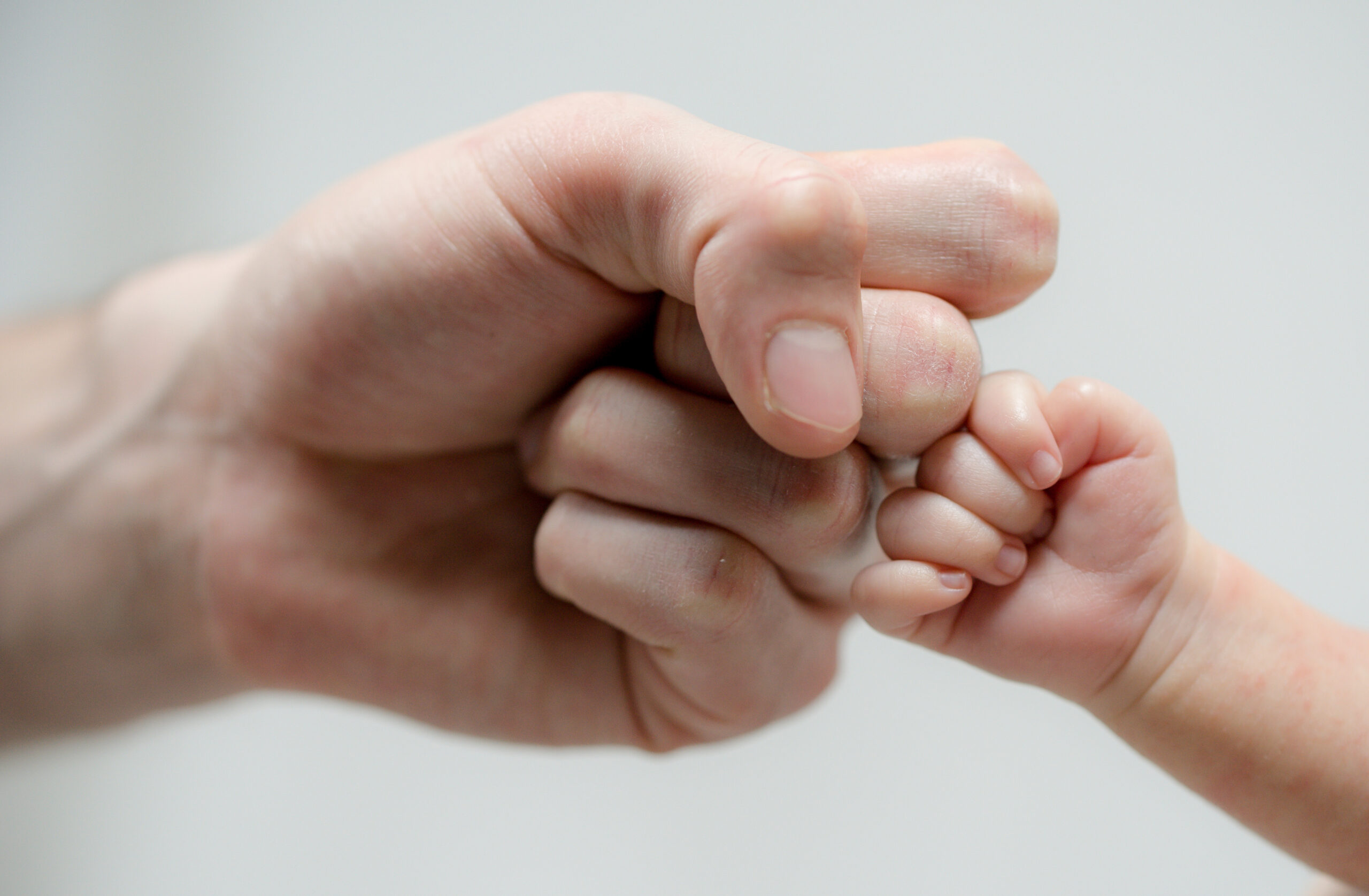
Parenting LGBTQ+ children starts with acceptance. Learn how curiosity, dignity, and positive parenting support LGBTQ+ youth well-being and identity.
None of us arrived in this world fully formed. We grew—haltingly, beautifully, sometimes painfully—into ourselves. We tried on ideas, let go of what didn’t fit, and slowly discovered the shape of our own hearts. Identity development is not a single moment of arrival; it is a lifelong unfolding. Our children, and especially LGBTQ+ youth, deserve the same patience, curiosity, and tenderness we would want for our own becoming.
Gender identity and sexuality are part of this evolutionary process. They emerge, clarify, and sometimes shift as young people find language for what they have long felt. On Harvesting Happiness, in our episode “Real World Well-Being: LGBTQ+ Sexuality, Gender Identity, and Development,” developmental psychologist Dr. Myeshia Price of the Kinsey Institute and Indiana University walked us through the stages of identity development across the human life cycle, with special attention to adolescence. What stayed with us was simple and freeing: exploration is not confusion. It is development doing exactly what it is meant to do.
Why Acceptance Matters for LGBTQ+ Youth
LGBTQ+ identity development in adolescents happens in a season when every young person is already asking life’s biggest questions. Who am I? Where do I belong? Am I lovable as I am? When family, school, and culture answer with rejection or ridicule, the cost to well-being can be profound. When the answers are love and respect, something remarkable happens.
Dr. Price’s research, including her years leading research science at The Trevor Project, points to acceptance as one of the most powerful protective factors we have. Her work has found that transgender and nonbinary young people whose gender identity is accepted by the people around them report fewer suicide attempts. Acceptance is not a soft extra. It is a lifeline.
How Can Parents Support an LGBTQ+ Child?
This is where parenting LGBTQ+ children becomes positive psychology in action. We don’t need every answer. We need presence. We can listen without rushing to fix it. We can use the names and pronouns our children ask us to use. We can say, “Thank you for trusting me,” and mean it. We can make home the safe harbor they can always return to, whatever the weather outside. When a young person experiences gender dysphoria—the real distress that can arise when one’s body or assigned gender doesn’t match one’s inner sense of self—our role is not to dismiss their pain but to walk beside them, connect them with knowledgeable, affirming care, and remind them they are not broken.
Supporting another person’s self-actualization asks something of us, too. It asks us to suspend judgment long enough to truly listen, to stretch our tolerance beyond the edges of our own experience, and to meet the unfamiliar with curiosity rather than fear. Curiosity is the antidote to assumption. When we ask, “Tell me more,” instead of, “Are you sure?”, we signal that our love is bigger than our expectations, and we grow right alongside our children and the loved ones we are learning to see anew.
As Dr. Caitlin Ryan, founder of the Family Acceptance Project at San Francisco State University, reminds us, what young people most need to know is “that their parents love them and will support them, even if they disagree.” Understanding can come later. Love comes first.
Beyond the Pigeonhole: Why Diversity Makes Us Stronger
Too often, the heteronorms we inherited are held up as the gold standard of human life, the “normal” against which everyone else is measured. Those norms were never exemplary models of being. They are pigeonholes. They ask our children to fold themselves into shapes that were never theirs, and they diminish all of us in the process, even those who happen to fit them. Love, partnership, and selfhood come in far more shapes than any single template allows. A flourishing society doesn’t demand conformity. It makes room, and it is stronger for it. Research on groups and organizations, including the work of the late Columbia Business School professor Katherine W. Phillips, finds that diverse groups tend to examine facts more carefully, question assumptions, and reach more innovative solutions than homogeneous ones. Difference is not a threat to the social fabric. It is part of its strength.
This work does not belong to parents alone. As Dr. Price put it, “Although acceptance among parents is important, adult interventions should go far beyond that.” Teachers, coaches, clinicians, faith leaders, and neighbors all shape whether a young person feels safe to become who they are.
Respect, dignity, and support are not privileges earned by fitting in. They are what every human being requires to grow healthy and whole. Society must offer them—not grudgingly, not conditionally, but as a baseline expression of our shared humanity.
Think of this as behaving like the adults we needed when we were young. Let us see our children clearly, love them fiercely, and trust the wisdom of their unfolding. We must show them what dignity looks like by offering it first. Our children are not problems to be solved. They are people becoming. And when we nurture that becoming with warmth and respect, we don’t just protect their well-being—we widen the very definition of what it means to be human, together.
Resources for Further Exploration
- Real World Well-Being: LGBTQ+ Sexuality, Gender Identity, and Development with Dr. Myeshia Price: our Harvesting Happiness conversation on identity development across the life cycle.
- Dr. Myeshia Price at the Kinsey Institute : her research on LGBTQ+ youth, gender identity, and protective factors.
- The Trevor Project: research, resources, and 24/7 crisis support for LGBTQ+ young people (call 1-866-488-7386 or text START to 678-678).
- PFLAG : support, education, and local chapters for parents, families, and allies.
- Family Acceptance Project — research-based guidance on how family acceptance shapes LGBTQ+ youth well-being.
- Gender Spectrum: resources for families and educators on gender identity and inclusive environments.
- GLSEN: tools for creating safe, affirming schools for LGBTQ+ students.
- How Diversity Makes Us Smarter : Katherine W. Phillips, Scientific American, on why diverse groups think and decide better.
Like what you’re reading? Want more consciously prepared brain food?
Listen to this Harvesting Happiness episode: LGBTQ+ Kids: Gender Identity and Well-Being with Dr. Myeshia Price, PhD or wherever you get your podcasts.
Meet Our Guest:

Dr. Myeshia Price, PhD, is an Associate Research Scientist with the Kinsey Institute and an Associate Professor in the Human Development program within the Department of Counseling & Educational Psychology at Indiana University.
Their unique perspective and current area of research focus on the experiences of LGBTQ+ youth related to sexuality, gender identity, and mental health, with particular attention to identity development through adolescence.
Keep Reading:

Lisa Cypers Kamen is a lifestyle management consultant who explores the art and science of happiness in her work as a speaker, author, and happiness expert. Through her globally syndicated positive psychology podcast, books, media appearances, and documentary film, Kamen has impacted millions of people around the world.
About The Author
learn more
browse services