

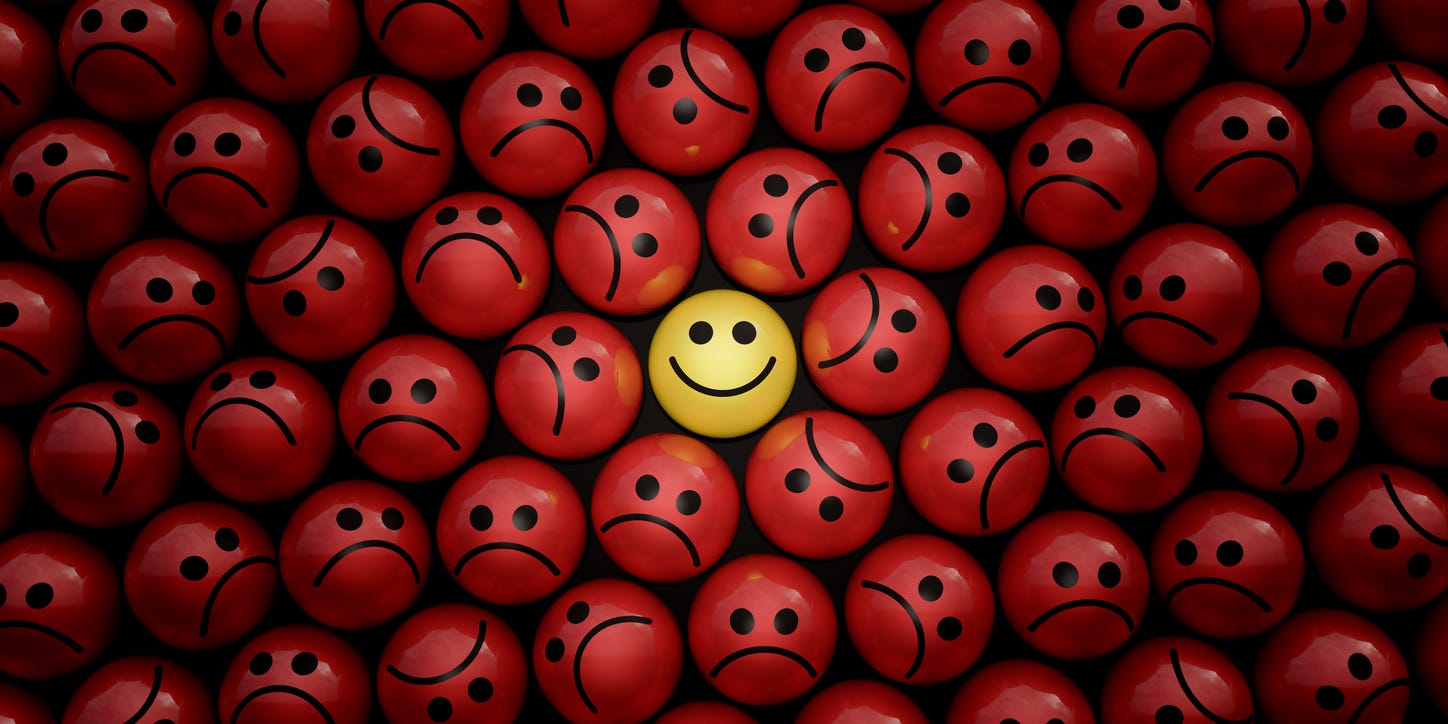
There’s a strange alchemy happening right now in our collective human experience. We’re scrolling through feeds filled with chaos, watching news that oscillates between absurd and alarming, and somehow still finding reasons to laugh at work, at home, and in life. Surrendering to being “happily pissed off” may be the best way to achieve lasting wellness in today’s complicated world.
This isn’t toxic positivity. This isn’t pretending everything is fine when it clearly isn’t. The recognition that life can simultaneously be deeply frustrating and genuinely beautiful is far more intriguing. Learning to hold both truths simultaneously might be one of the most important keys to unlocking a satisfying life in strange times.
The Happiness Factor That No One Talks About
Traditional happiness research often presents well-being as a straightforward equation: positive emotions plus engagement plus relationships plus meaning plus accomplishment equals flourishing. It’s clean, it’s evidence-based, and it’s absolutely true. But what the research doesn’t always capture is the texture of real human life, where happiness exists not in spite of difficulties but sometimes because of how we navigate them together.
Being happily pissed off means we acknowledge that we can be genuinely optimistic about our personal lives while simultaneously frustrated with larger systems. We can be deeply grateful for our morning coffee while also being righteously annoyed about the state of the world. This isn’t cognitive dissonance; it’s cognitive sophistication. It’s the emotional equivalent of holding space for life’s full complexity rather than flattening it into something more palatable but less true.
Psychologist and Holocaust survivor Viktor Frankl understood this complexity when he observed that we can discover meaning even in the most difficult circumstances, reminding us that our attitude toward unavoidable suffering becomes our ultimate freedom. We don’t need perfect circumstances to experience genuine happiness—we need the emotional range to hold multiple truths at once.
The happiness factor that makes such experiences possible is what psychologists call emotional granularity—the ability to experience and name multiple emotions simultaneously. Research indicates that people who can identify and articulate complex emotional states experience better mental health outcomes and greater life satisfaction. When we can say “I’m grateful and angry” or “I’m hopeful and exhausted,” we’re not being contradictory. We’re being human.
The Media Mirror and the Doom Scroll Trap
Let’s be honest. One major obstacle to unlocking happiness right now: the media landscape that surrounds us like an emotional weather system. Whether it’s traditional news outlets amplifying every crisis or social media algorithms serving up an endless buffet of outrage, we’re living in an environment designed to keep us engaged through emotional intensity rather than informed through balanced perspective.
The science is clear: constant exposure to negative news increases anxiety, decreases problem-solving ability, and creates what researchers call “mean world syndrome”—the belief that the world is more dangerous than it actually is. But here’s where being happily pissed off comes in: we can be frustrated with media manipulation while still choosing how we consume information. We can be angry about clickbait culture while actively creating boundaries around our screen time.
This is where the fine whine becomes essential. Complaining about media excess with friends who understand isn’t negativity—it’s social bonding through shared values. It’s saying “this is absurd” together and finding solidarity in that recognition. The key is that the whine must be fine: limited in duration, shared with trusted companions, and ultimately leading toward either action or acceptance rather than spiraling into helplessness.
As comedian and social critic George Carlin once observed, humor helps us cope with the absurdity of existence—it’s our way of acknowledging that life is ridiculous while refusing to let that ridiculousness defeat us. When we laugh together at the chaos, we’re not dismissing it. We’re surviving it.
Toxic Positivity vs. Authentic Optimism
The phrase “toxic positivity” has entered our cultural vocabulary for good reason. It describes the pressure to maintain an upbeat facade regardless of circumstances, to respond to genuine suffering with platitudes like “everything happens for a reason” or “just think positive thoughts.” Toxic positivity dismisses real emotions in favor of a performance of wellness that benefits no one.
Being happily pissed off is our antidote to toxic positivity because it refuses to choose between optimism and honesty. Research in positive psychology shows that authentic happiness isn’t about eliminating negative emotions but about developing resilience in how we respond to them. Studies on “tragic optimism”—the ability to maintain hope despite pain, guilt, and death—demonstrate that we can experience genuine well-being even while acknowledging life’s difficulties.
A satisfying life isn’t one without problems; it’s one where we feel capable of facing problems alongside people we trust. This is why the intrinsic value of connection becomes so crucial. When we message a friend and say, “I’m so frustrated I could scream; want to grab coffee?” we are not expressing negativity. We’re being real. And that realness, that vulnerability, is what creates the kind of deep connection that research consistently identifies as one of the strongest predictors of lasting happiness.
The Intrinsic Value of Connection: Our Happiness Insurance Policy
If there’s one factor that unlocks genuine life satisfaction more than any other, it’s meaningful connections with other humans. Not networking, not follower counts, not even romantic relationships necessarily—just authentic relationships where we can be fully ourselves, anger and joy and everything in between.
The Harvard Study of Adult Development, one of the longest-running studies on human happiness, found that the quality of our relationships is the single best predictor of health, happiness, and longevity. People who feel lonely are more likely to experience cognitive decline, physical illness, and earlier death. Meanwhile, people who feel genuinely connected report higher life satisfaction even when facing significant challenges.
This is why the fine whine matters so much. When we gather with friends to commiserate about work frustrations, political anxiety, or the general absurdity of modern life, we’re not wallowing—we’re connecting. We’re saying, “I see this too”, and “You’re not alone in feeling this way.” That shared recognition is powerful medicine against isolation and despair.
Writer Anne Lamott captures the idea perfectly when she reminds us that laughter is a form of prayer, a way of connecting with each other and with something larger than our individual struggles. When we can find humor even in our shared frustrations, we’re participating in one of humanity’s oldest coping mechanisms—the recognition that we’re all in this strange existence together.
The happiness research is unequivocal: we need each other. Not in an abstract, philosophical sense, but in the concrete, weekly coffee date sense. In the group text that makes us laugh sense. An example would be the friend who lets us rage for ten minutes and then gently asks, “Okay, but what are we actually going to do about it?” sense.
Embracing the Fine Whine: Our Permission Slip for Authentic Living
- Set whine windows: Give ourselves and our trusted friends explicit permission to complain for a limited time—maybe fifteen minutes over wine or coffee—then consciously redirect toward either problem-solving or gratitude.
- Practice selective outrage: Not every frustration deserves our full emotional investment. Let’s choose our battles based on our values and what we can actually influence.
- Create complaint-free zones: Designate certain activities or times as protected space for joy—maybe Sunday morning breakfast or evening walks—where we consciously focus on what’s working.
- Find our anger allies: Cultivate relationships with people who share our values and frustrations but who also help us channel those feelings toward action or acceptance rather than rumination.
- Balance the input: For every hour of news or social media consumption, spend equal time on content that inspires, educates, or brings genuine joy.
- Toast to small victories: Celebrate and savor micro-moments of happiness deliberately—the perfect sunset, the joke that made us actually laugh, the meal that satisfied—as conscious acts of resistance against numbness.
Keys to Unlocking a Happily Pissed-Off Life
The strange gift of dark times is that they strip away the pretense that happiness means perfection. This challenges us to find satisfaction not in ideal circumstances but in how we choose to show up for life. Being happily pissed off isn’t about settling for less; it’s about demanding more honesty in how we talk about well-being.
So yes, let’s acknowledge what’s hard. Name what’s broken. Feel our frustration fully. And then—here’s the vital part—find something to toast to anyway. This is not because everything is perfect, but rather because our ability to acknowledge beauty in the midst of difficulty is inherently a source of strength. That’s not toxic positivity. That’s wisdom. That’s the satisfying life we’re building, one honest conversation and conscious choice at a time.
The world needs our authentic happiness, anger, and all. So let’s pour ourselves that glass, gather our people, and toast to being fully, messily, beautifully human in times that demand nothing less.
Like what you’re reading? Want more consciously prepared brain food?
Listen to this Harvesting Happiness episode: Happiness Factor: Keys to Unlocking a Satisfying Life with Paul Ollinger or wherever you get your podcasts.
Get “More Mental Fitness” bonus content by Harvesting Happiness on Substack and Medium.
Meet Our Guest:

Paul Ollinger, a former Facebook executive turned comedian, embarked on an unconventional journey that led him to headline major comedy clubs and perform alongside industry legends. His bold career shift culminated in a headlining show at the 2024 New York Comedy Festival, showcasing his signature combination of corporate insight and comedic talent.
As the host of the “Reasonably Happy” podcast, Paul investigates the complex ties between money, happiness, work, and meaning, engaging with an impressive roster of guests, including LL COOL J, Deepak Chopra, and Nobel Prize winners.
His recently published collection of essays, also titled “Reasonably Happy,” distills wisdom from over 200 interviews, offering readers a humorous and thought-provoking guide to achievable contentment in life.
Book: Reasonably Happy: Essays on Money, Work and Other Things that Piss Me Off
Proudly Sponsored By:
Cozy Earth—Offers luxury loungewear, premium pajamas, and essential home goods. Visit CozyEarth.com and use promo code HHTR to get up to 40% off your order.
Keep Reading…

Lisa Cypers Kamen is a lifestyle management consultant who explores the art and science of happiness in her work as a speaker, author, and happiness expert. Through her globally syndicated positive psychology podcast, books, media appearances, and documentary film, Kamen has impacted millions of people around the world.
About The Author
learn more
browse services